
5 Seller Fixes That Matter Most in Middle Tennessee Brick Homes
5 Seller Fixes That Matter Most in Middle Tennessee Brick Homes
Brick homes already carry instant curb appeal in Middle Tennessee, but buyers still notice the little things that suggest whether a property has been lovingly maintained or quietly deferred. In this market, the best pre-listing improvements are rarely flashy. They are the practical, confidence-building fixes that help a home feel solid, clean, and move-in ready from the first showing to the final walkthrough.
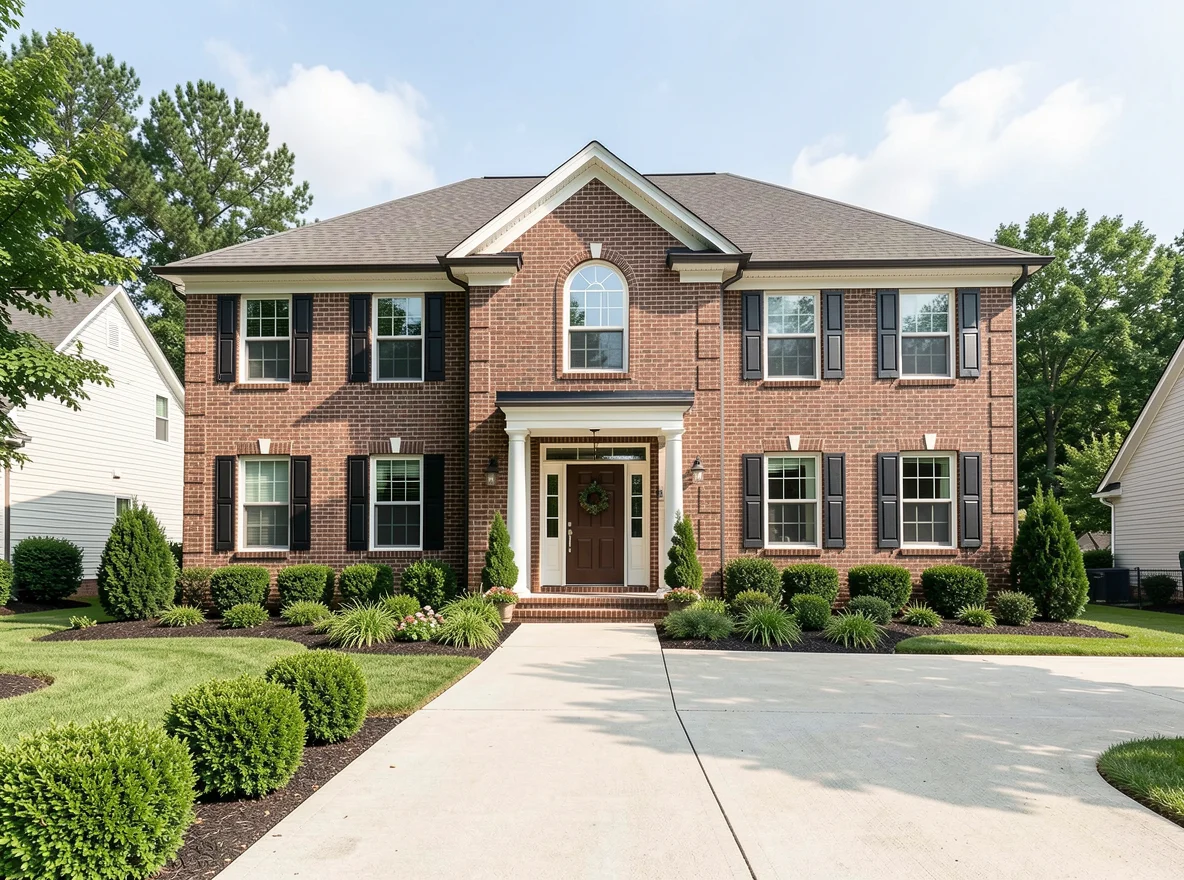
For sellers, that is good news. You do not always need a full renovation to make a strong impression. In many cases, a handful of targeted updates will do more for marketability than an expensive remodel. Buyers touring brick ranches, traditional two-stories, and newer brick-front homes across communities near Nashville, Franklin, Murfreesboro, and surrounding areas tend to respond best when the essentials feel finished, functional, and easy to trust.
If you are preparing to list, these are the five fixes that usually matter most. They improve presentation, reduce buyer hesitation, and help your home compete well without wasting time or money on projects that may not pay you back.
1. Repair and refresh the mortar, trim, and exterior details
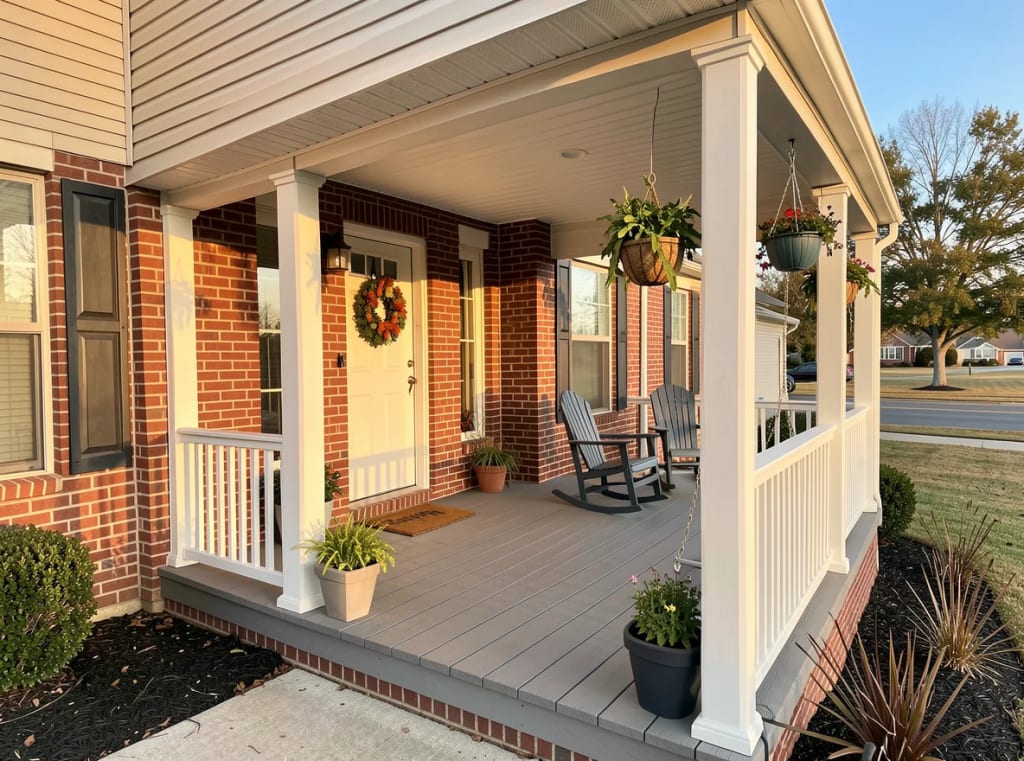
Brick is durable, but buyers can still spot neglected exterior maintenance from the driveway. Cracked mortar, stained sections, failing caulk around windows, chipped shutters, faded front doors, and worn trim all create the same impression: if the visible items were skipped, what else was ignored? That question can quietly lower offers before a conversation even starts.
Start with a close walk around the home. Look for minor tuckpointing needs, loose handrails, damaged gutters, mildew on masonry, and any area where paint is peeling on wood accents. In Middle Tennessee, humidity, pollen, and seasonal storms can leave behind grime and wear that make a house feel older than it is. A careful soft wash, fresh caulk lines, and crisp paint on trim or the front door can dramatically sharpen the look of a brick exterior.
This category of fix also helps photography. Since online listing photos are often a buyer's first impression, clean masonry and polished entry details can make your home feel better cared for before anyone steps inside. That is a practical advantage in neighborhoods where buyers are comparing several similarly sized homes in the same school zone or price range.
2. Address roof, drainage, and moisture concerns before buyers ask
Nothing makes a buyer more cautious than signs of water trouble. Even if the issue is minor, evidence of poor drainage or deferred roof maintenance tends to trigger bigger fears about hidden damage. On brick homes, this can show up as dark staining, gutter overflow marks, soggy planting beds near the foundation, or musty smells in lower levels and crawl spaces.
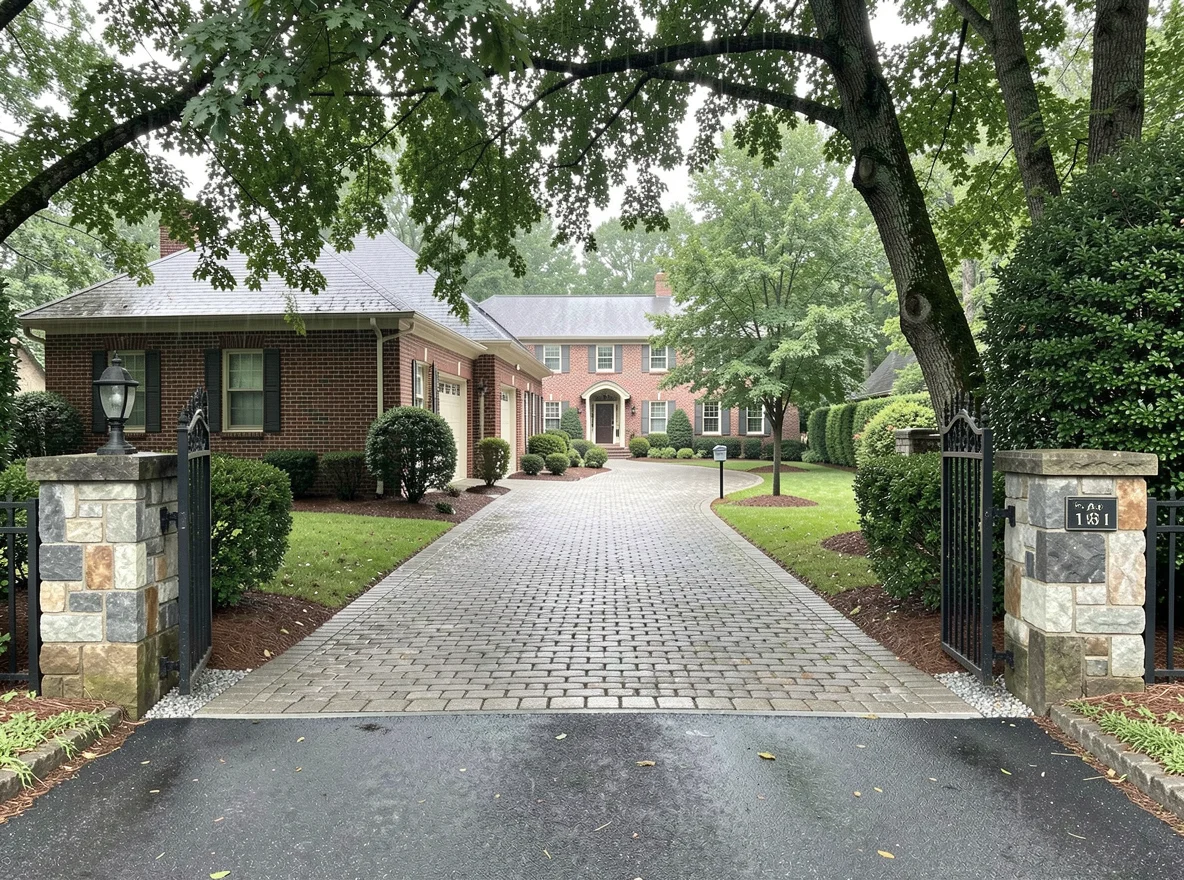
Before listing, have gutters cleaned, downspouts extended if needed, and any obvious grading issues corrected. Replace damaged roof shingles, repair flashing, and resolve small leaks while they are still small. If your crawl space has moisture concerns, this is the time to address them instead of hoping a buyer will overlook them. In a region where heavy rain is common, proper drainage is not a cosmetic detail. It is a confidence issue.
These repairs matter because they help inspections go more smoothly. A house that shows good water management feels safer to purchase, especially for relocating buyers or busy families who do not want immediate post-closing surprises. Practical sellers often see the value here: spending a little upfront can prevent a much bigger negotiation later.
It also signals responsible ownership. Buyers may not compliment your downspout extensions during a showing, but they absolutely notice when the yard drains properly and the home smells dry and clean. Those subtle wins add up.
3. Update the kitchen in small, smart ways
The kitchen still carries enormous emotional weight, even in a classic brick home where buyers expect some traditional finishes. The key is not necessarily a full gut renovation. Instead, focus on changes that make the space feel bright, usable, and current enough that buyers can picture everyday life there.
Painted cabinets, updated hardware, improved lighting, a newer faucet, fresh grout, and clean countertops often go further than sellers expect. If appliances are mismatched or visibly dated, replacing one or two of the most noticeable ones can help the whole room read better. Neutral finishes usually perform best because they let buyers imagine their own style without feeling like they must undo yours immediately.
In many Middle Tennessee brick homes, kitchens open into dens, breakfast rooms, or family gathering spaces. That means even modest kitchen upgrades can improve how the entire main living area feels. When buyers sense that the kitchen is functional and pleasant, they become more forgiving about smaller imperfections elsewhere.
4. Fix flooring, paint, and lighting throughout the main living spaces
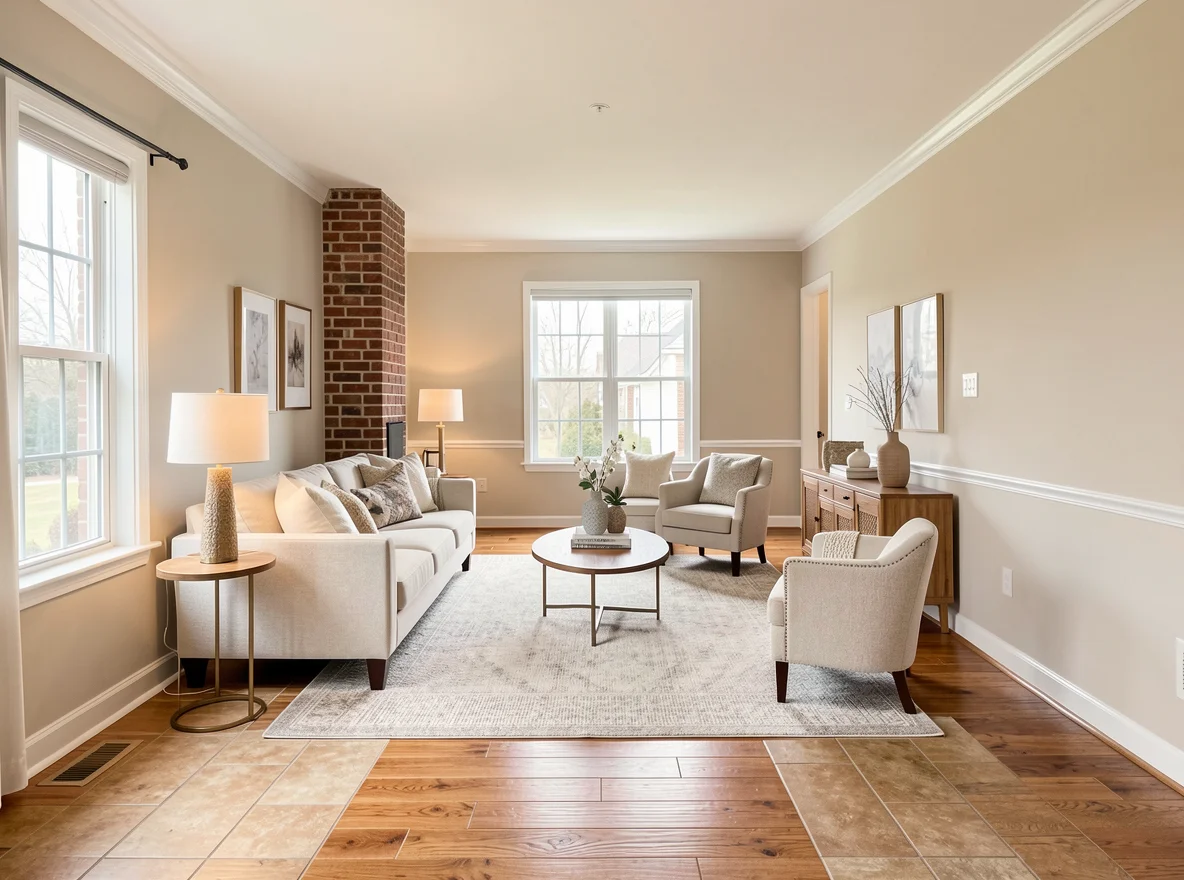
If sellers ask which fixes create the biggest overall transformation, this trio is hard to beat. Worn carpet, scuffed walls, outdated light fixtures, and inconsistent bulb colors can make a perfectly good home feel tired. By contrast, fresh paint and clean flooring instantly create a calmer, more move-in-ready impression.
Choose simple, light-neutral paint colors that work with brick-home architecture rather than fighting it. Refinish hardwoods if they are heavily scratched. Deep clean carpet or replace it if it has obvious wear, odor, or staining. Then look up: old brass fixtures, dim builder-grade lighting, and yellowed glass shades can date a room faster than almost anything else. Updated lighting does not have to be expensive to make a meaningful difference.
This matters especially in homes serving family-oriented communities with strong neighborhood appeal and desirable schools. Buyers shopping these areas are often balancing commute, layout, lot size, and long-term livability. If your house feels bright and easy to maintain, they are more likely to focus on the lifestyle advantages instead of making mental lists of immediate chores.
And that lifestyle piece matters. A welcoming brick home near parks, local gathering spots, and everyday conveniences tends to sell best when the interior supports the same feeling of comfort and stability that the exterior promises.
5. Handle the “small stuff” buyers always remember
Loose doorknobs. Sticky doors. Wobbly toilets. Missing outlet covers. Leaky faucets. Squeaky hinges. These are the little defects sellers live with and buyers catalog instantly. None may be a dealbreaker alone, but together they create friction. They make a house feel less cared for, and they invite buyers to wonder what larger maintenance items may be lurking out of sight.
The fix is straightforward: create a punch list and be ruthless about finishing it. Test every door, drawer, light switch, fan, and faucet. Patch nail holes. Replace burned-out bulbs. Make sure windows open properly. Tighten railings and cabinet pulls. Have HVAC serviced and replace dirty filters. When a buyer walks through a home and everything works the way it should, the property feels calmer and better valued.
That sense of order helps your home compete across every price point, from starter-friendly brick ranches to more upscale traditional properties. It also complements good pricing strategy. Jeremy Bishop and Keller Williams work with sellers in a practical, approachable way, helping identify the improvements that truly matter in the Middle Tennessee market instead of pushing unnecessary projects. The goal is not perfection. It is smart preparation that supports a stronger sale.
In the end, the best seller fixes are the ones that reduce uncertainty. Brick homes already offer durability, character, and timeless appeal. When you pair that with a clean exterior, solid moisture management, a refreshed kitchen, improved interior finishes, and a fully handled punch list, you give buyers what they want most: a home that feels dependable from day one.